Relationships take skills. We help you build them.

Empathy, boundaries, accountability, repair: these can all be learned. The Relational Life Foundation is making them accessible to everyone through sliding-scale therapy and coaching, scholarships for RLT practitioners, and research that strengthens the evidence base for this work.

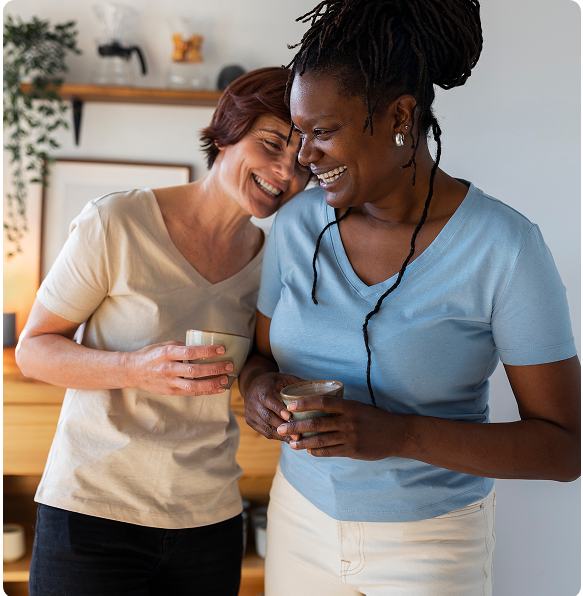
Mixed-race gay couple sharing a warm moment together at home

Our Mission In Action

Programs grounded in Relational Life Therapy so that cost, culture, or circumstance never stand in the way of healing.

Affordable Therapy

Sliding-scale sessions with trained RLT clinicians

Pay what fits your life. We match you with an RLT-trained therapist who works on a confidential sliding scale.

Research

We are conducting research to make RLT evidence-based

Concentrated weekend workshops that give couples a working set of relational skills they can use Monday morning.

Scholarships

50% tuition scholarships for those who need access most

Need-based scholarships cover the cost of therapy, bootcamps, and cohorts for people facing financial barriers.

Upcoming Events for Relational Skills

New events are being scheduled. Check back soon.

The Washington Post logo
Psychology Today logo
GoodTherapy logo
CNN logo
New York Times logo
The Washington Post logo
Psychology Today logo
GoodTherapy logo
CNN logo
New York Times logo

Relational Wellness Impact Stories

Grounded in Relational Life Therapy with Terry Real

Relational Life Therapy, developed by Terry Real, integrates psychological insight with practical tools for accountability and relational repair.

The Relational Life Foundation expands this work beyond the therapy room, bringing relational skills into communities, increasing access, and elevating relational health as a public good.


“Intimacy is not a feeling. It is a skill.”

Terry Real

Founder of Relational Life Therapy
Board Chair, Relational Life Foundation

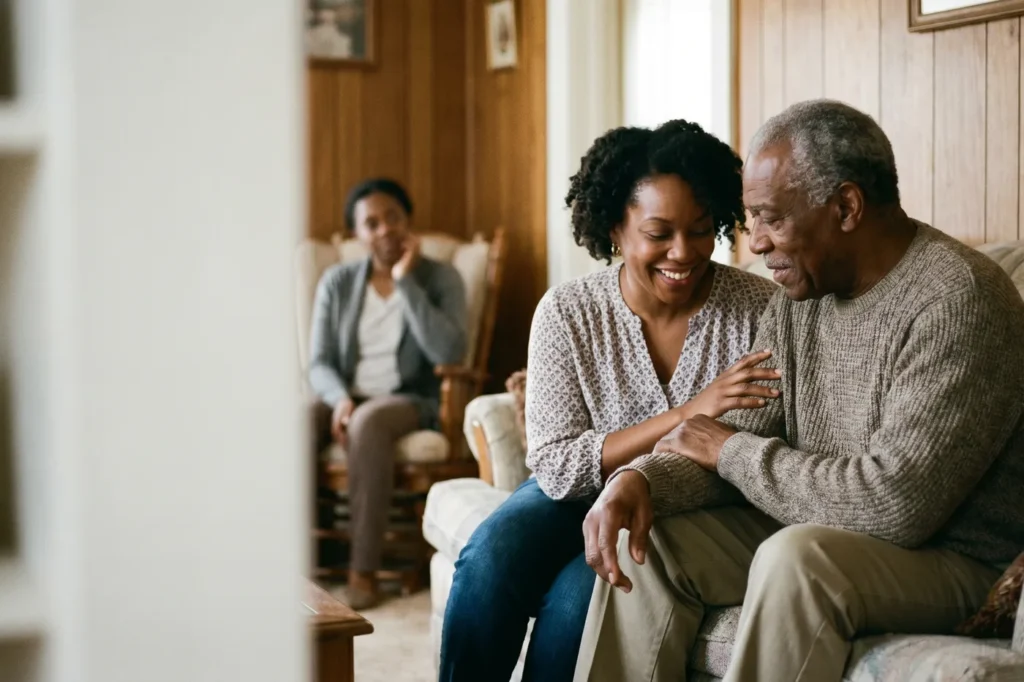
Intergenerational family sharing a warm moment at home

Relational Life Foundation

The work starts with us

Disconnection does not fix itself. It shifts when people learn new ways of relating. It happens when families learn to repair conflict instead of escalating, when partners choose curiosity over control, and when communities practice accountability instead of blame.

Join us in building something better, one relationship at a time.